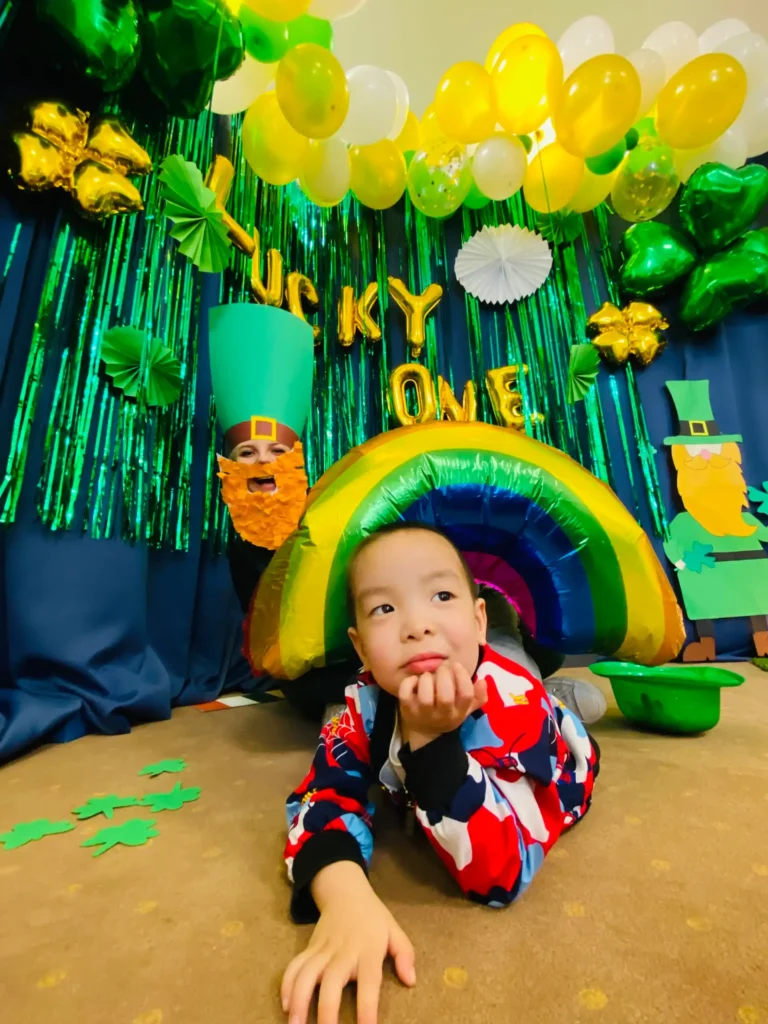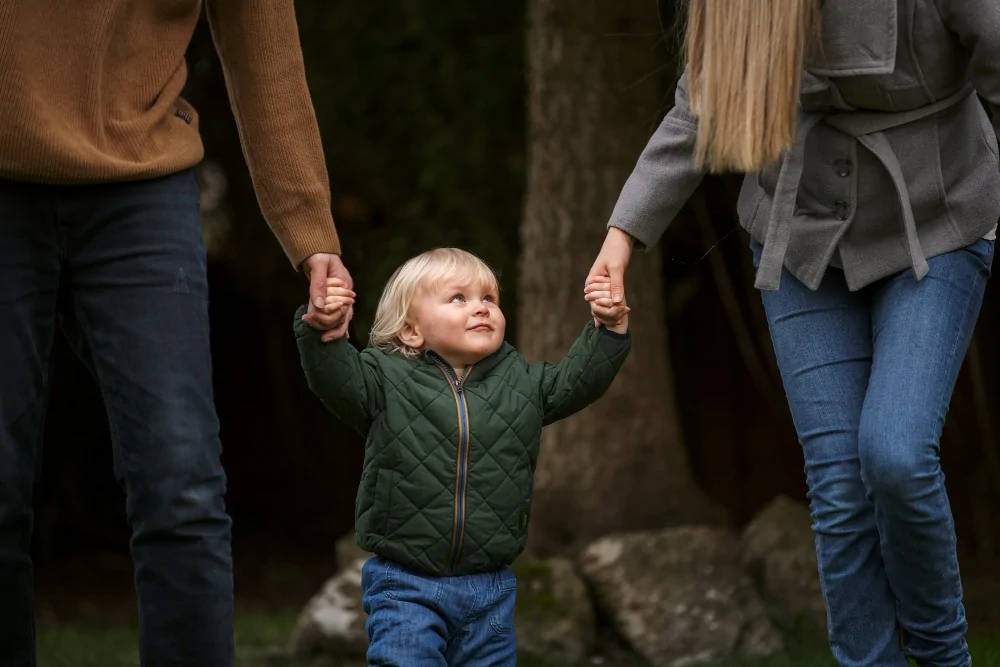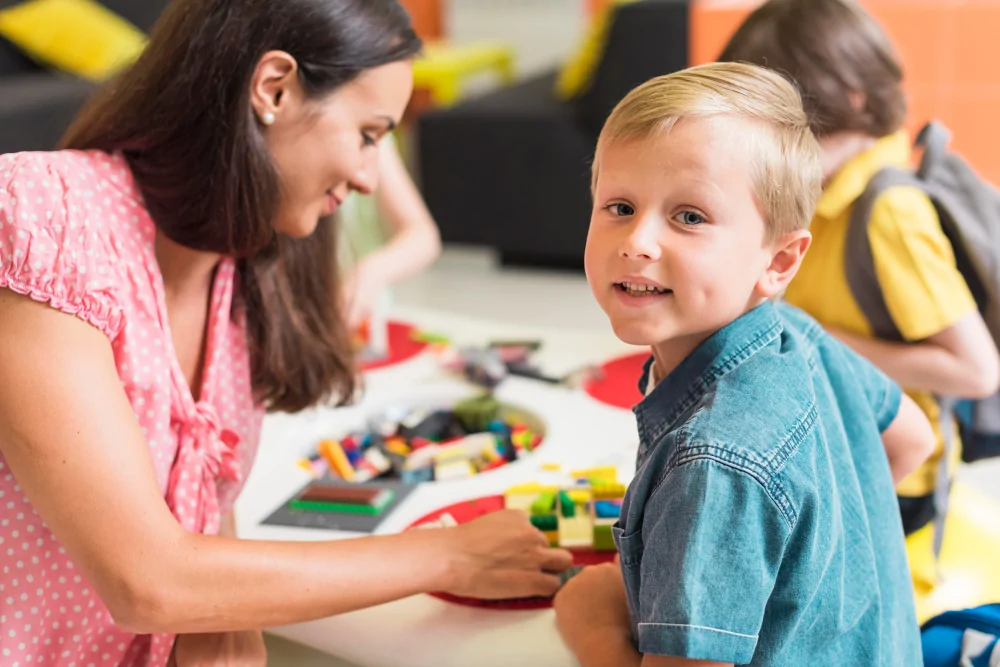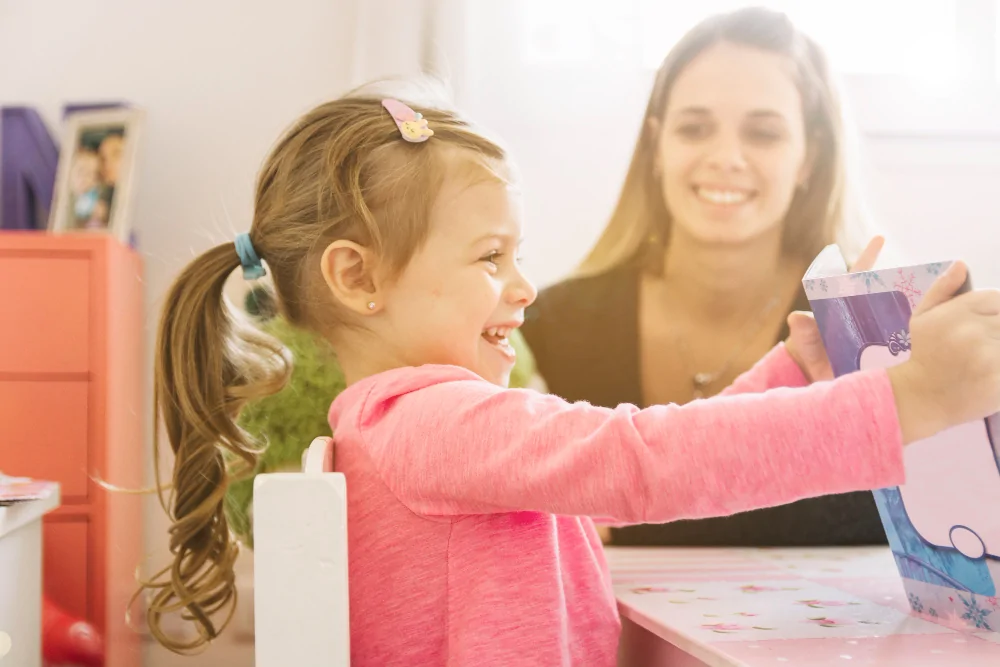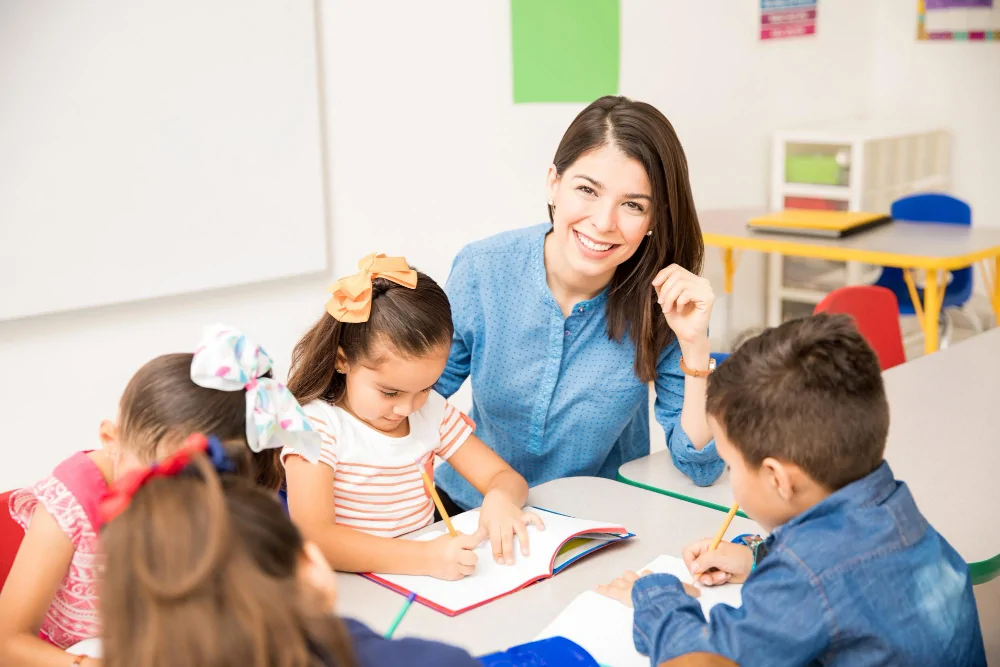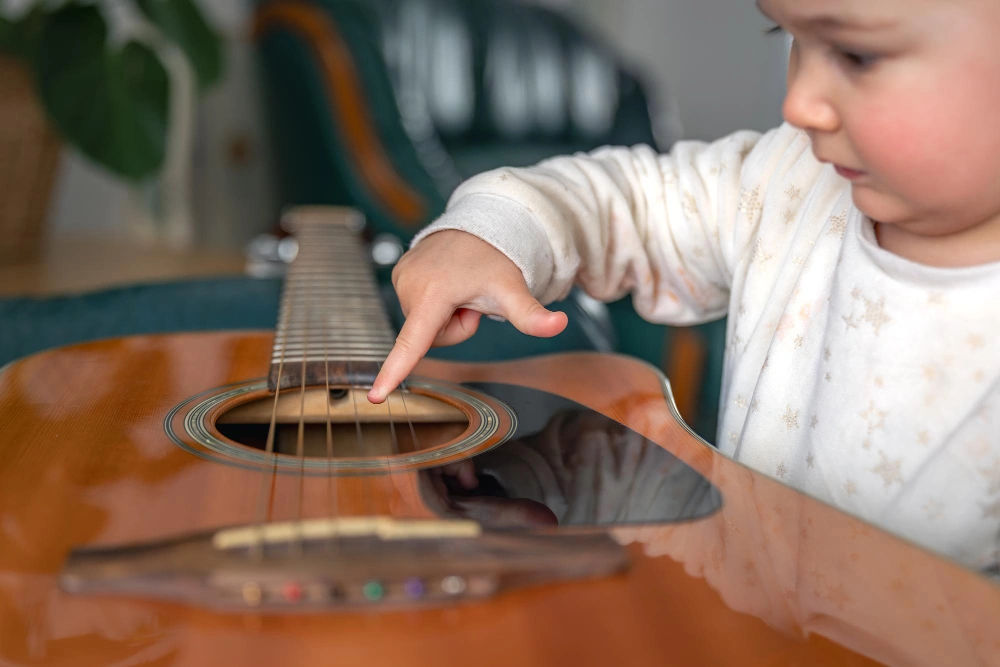




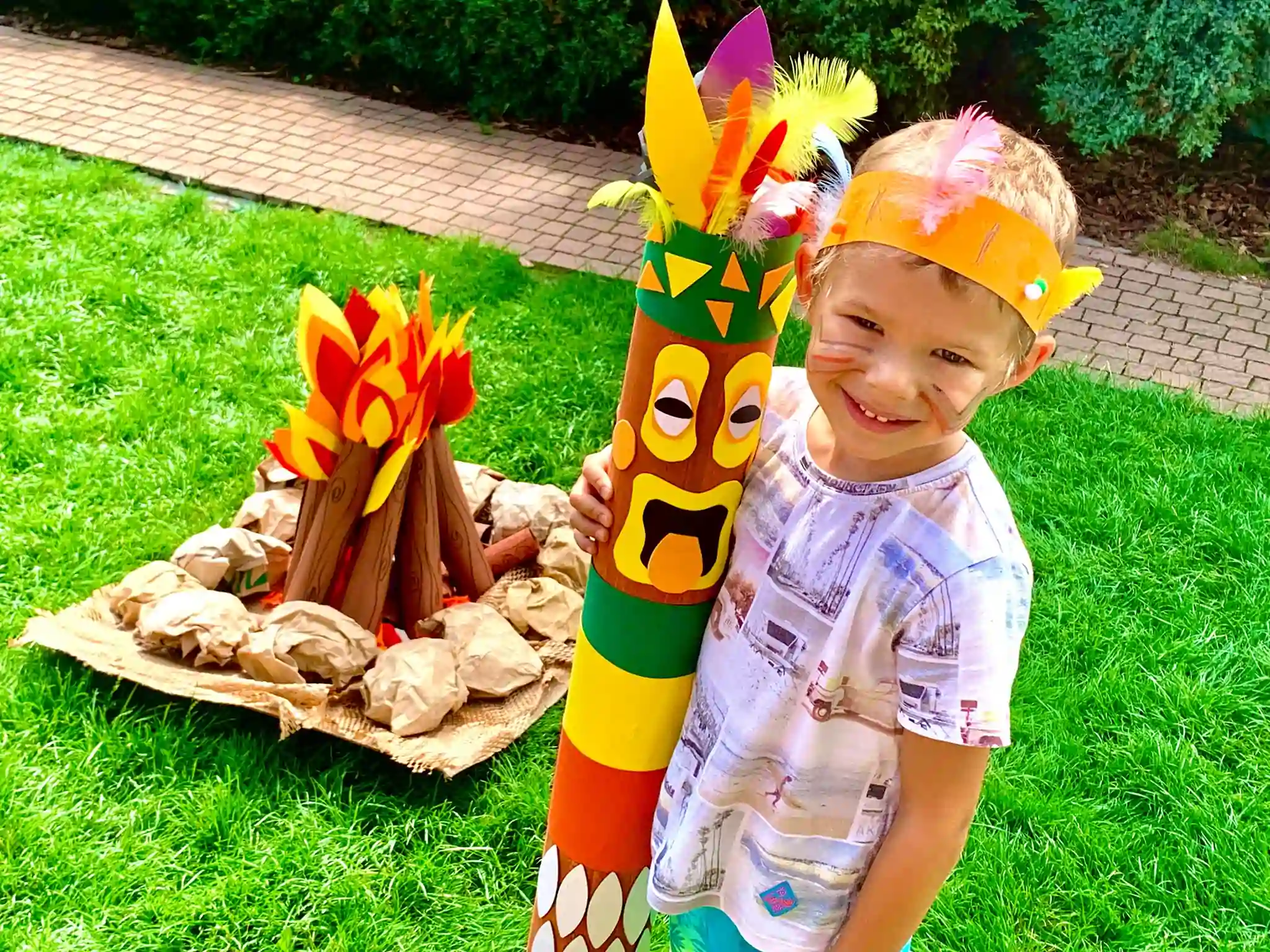


In practice, this means that preschool groups bring together children from different countries around the world, and some members of the teaching staff also come from diverse cultural backgrounds. In non-public music and language preschools in Ochota (Warsaw) or Konstancin-Jeziorna, such an environment is part of everyday life.
In a preschool group, diversity quickly becomes something natural and familiar:
- someone speaks a different language,
- someone celebrates different holidays,
- someone shares dishes from their home country,
- someone follows different family traditions.
Children begin to understand that the world can look different – and that this is completely normal.
This is a very important skill in today’s modern world.
Development of Social Skills
Contact with children and teachers from different countries helps young learners develop:
- empathy,
- patience,
- ease in building relationships,
- communication skills,
- openness and imagination.
Children learn that not everyone is the same – and that is exactly what makes them more sensitive to the needs of others.
Parents often notice that children growing up in an international environment:
- find it easier to make friends,
- are more self-confident,
- adapt more quickly to new situations,
- communicate more freely with other children,
- are more curious about the world.
These are skills that stay with a child for a very long time.
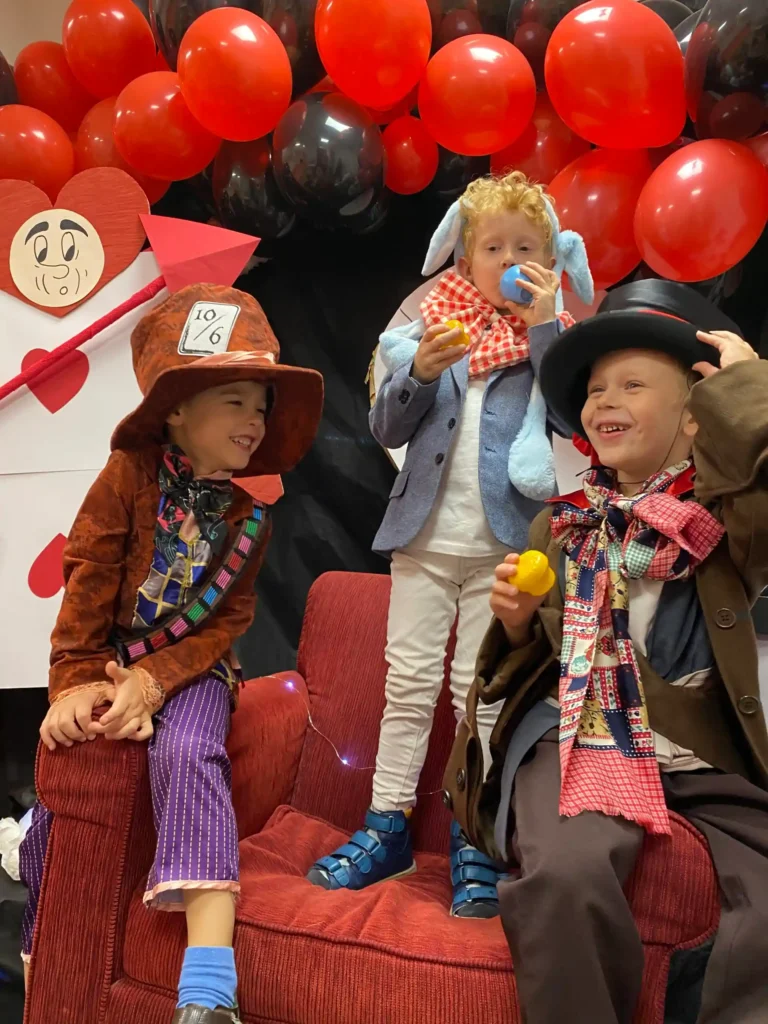
Natural language learning
One of the greatest advantages of an international preschool is daily exposure to a foreign language.
Children hear English not only during lessons, but also:
- during play,
- at mealtimes,
- during music classes,
- on walks,
- in everyday conversations.
As a result, the foreign language is no longer treated as a separate “lesson block”, but becomes a natural part of everyday life.
Immersion in the language in natural situations is extremely important. Children do not learn by memorising – instead, they begin to understand the meaning of words through context, emotions and real-life experiences.
International staff – a great value for the child
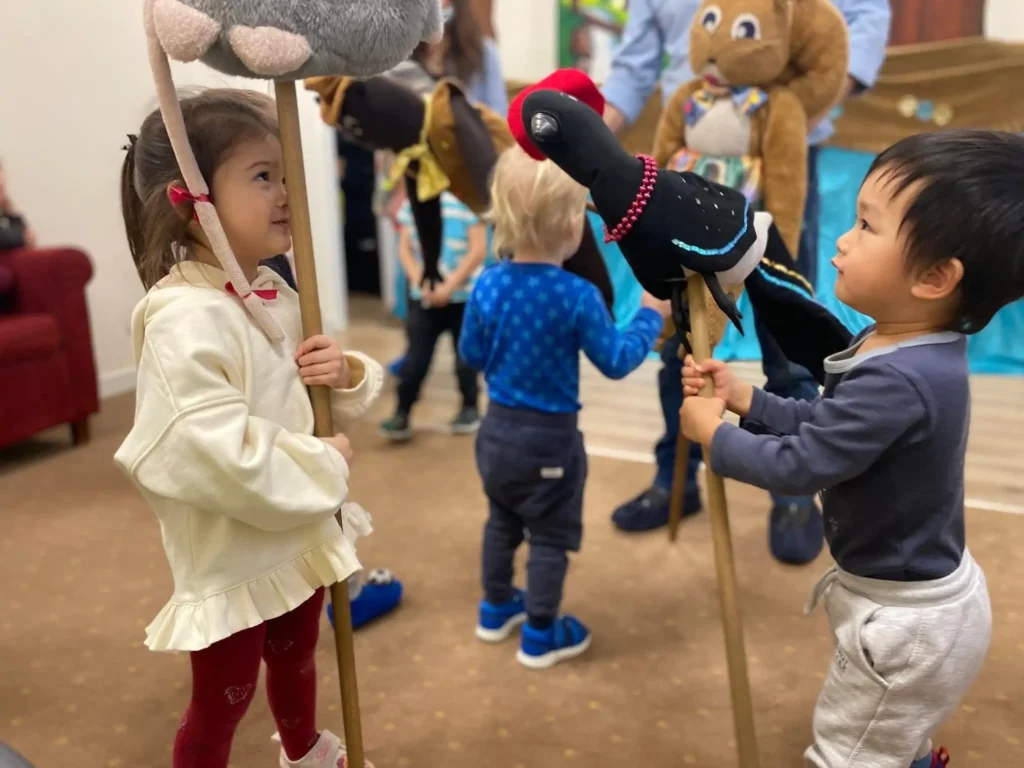
In many preschools, part of the teaching staff comes from different countries around the world. For children, this is a tremendous advantage.
Young learners are exposed to:
- a natural accent,
- different cultures and life experiences,
- varied communication styles,
- openness and diversity.
As a result, they learn flexibility and openness towards differences.
Importantly, children very quickly become accustomed to different accents and ways of speaking. For them, it feels completely natural.
Diversity nurtures curiosity about the world
Children love discovering new things. An international environment gives them plenty of opportunities to do so.
In preschool, they are introduced to:
- music from different countries,
- books in other languages,
- traditions and celebrations,
- sensory play activities,
- a variety of foods.
As a result, children not only get to know new cultures but also learn to respect them.
This is a very natural part of future-oriented education.
Children learn communication beyond words
Interestingly, in an international environment, children often manage to communicate very effectively even before they share the same language.
Through shared play, gestures and movement, young children:
- learn attentiveness,
- better understand emotions,
- develop non-verbal communication skills,
- become more patient.
Sometimes a smile, a gesture or simply playing together is enough for children to understand each other perfectly.
This shows that relationships are built on more than just words.
International preschool prepares children for the future
The world is becoming increasingly open and international. Children who are exposed to diversity from an early age often find it easier later on to adapt:
- at school,
- during travel,
- in new social situations,
- in teamwork,
- in international environments.
However, the most important aspect is not language itself. The key is openness, self-confidence and the ability to build relationships with other people.
Can a Child Feel Confused?
This is one of the most common questions from parents. In practice, children usually adapt very quickly to a diverse environment.
Why?
Because for young children, the most important things are:
- a sense of security,
- relationships with teachers,
- play,
- daily routines,
- a warm and caring atmosphere.
When a child feels accepted and cared for, they naturally open up to new experiences.
Moreover, children are often much more open than adults.
An international environment teaches skills for life
Children growing up in a multicultural environment learn much more than just a foreign language.
They learn:
- respect,
- empathy,
- openness,
- cooperation,
- curiosity about the world,
- confidence in building relationships.
And they do so in the most natural way – through everyday play, relationships and shared experiences.
That is why Rubik Music School Private Preschools can be not only a place of learning for children, but above all a space where they build self-confidence, relationships and openness to the world.