





These concerns are completely natural – especially when we are entrusting our child’s care to someone outside the closest family for the very first time. Starting preschool is a big change not only for the child, but also for the parents. The child enters a completely new reality, while the parent has to learn to share part of everyday care with other adults.
Adapting to preschool is a process that requires time, patience and understanding from both parents and teachers. Every child experiences it differently. Some children run into the classroom with a smile after just a few days, while others need several weeks to become familiar with the new space, daily rhythm and moments of saying goodbye to their parent.
At Rubik Music School at Drawska Street, we understand how important this moment is. That is why we strive to create an atmosphere of safety, closeness and calm, helping children enter this new stage of life more gently.
Why is adaptation so important?
A child’s first experiences with preschool have a significant impact on their later attitude towards learning, social relationships and new challenges. A child who feels safe finds it easier to build relationships, become more independent and explore the world with greater openness.
It is worth remembering that, for a young child, preschool is a major change. Suddenly, there is:
- a new place,
- new people,
- different rules,
- a larger group of children,
- noise and many new stimuli,
- the need to say goodbye to a parent,
- a new daily rhythm.
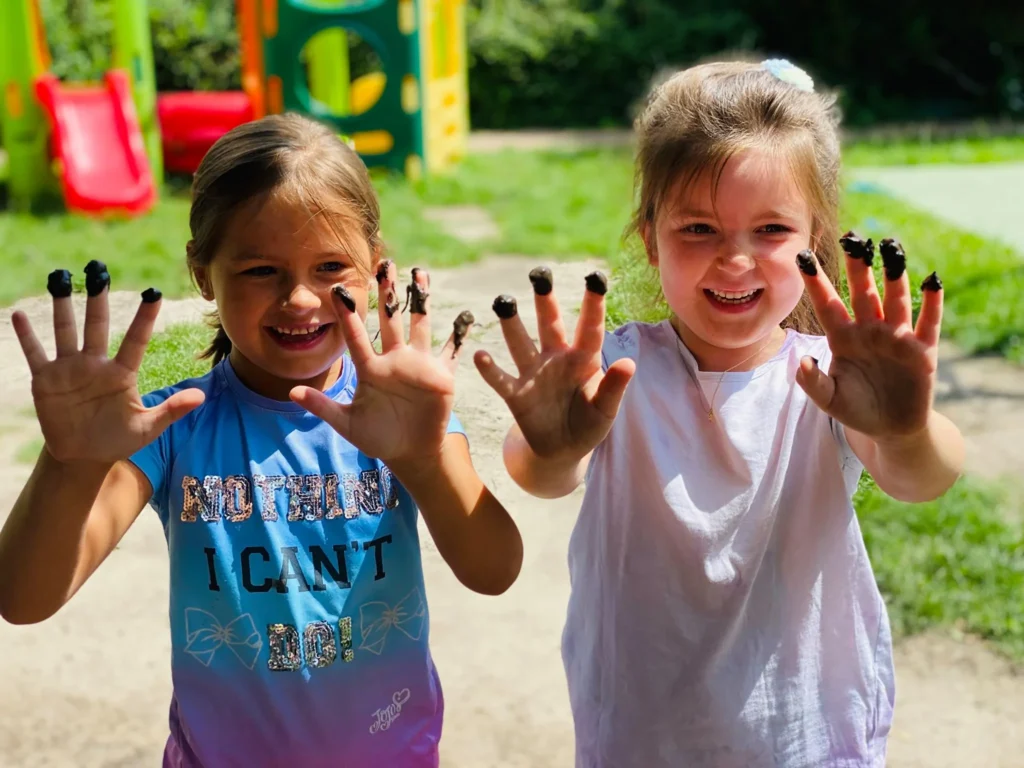
To adults, it may seem like “just preschool”, but for a child it is a real revolution. Until now, they have spent most of their time in a familiar environment where they felt safe and secure. Now they need to find their place in a completely new situation.
It is completely normal for a child to react with stress, tears or withdrawal. Adaptation does not mean the absence of emotions. Quite the opposite – emotions are a natural part of the process. What matters most is that the child gradually builds a sense of security and learns that preschool is a place where they can feel good.
Crying at drop-off – is it a reason to worry?
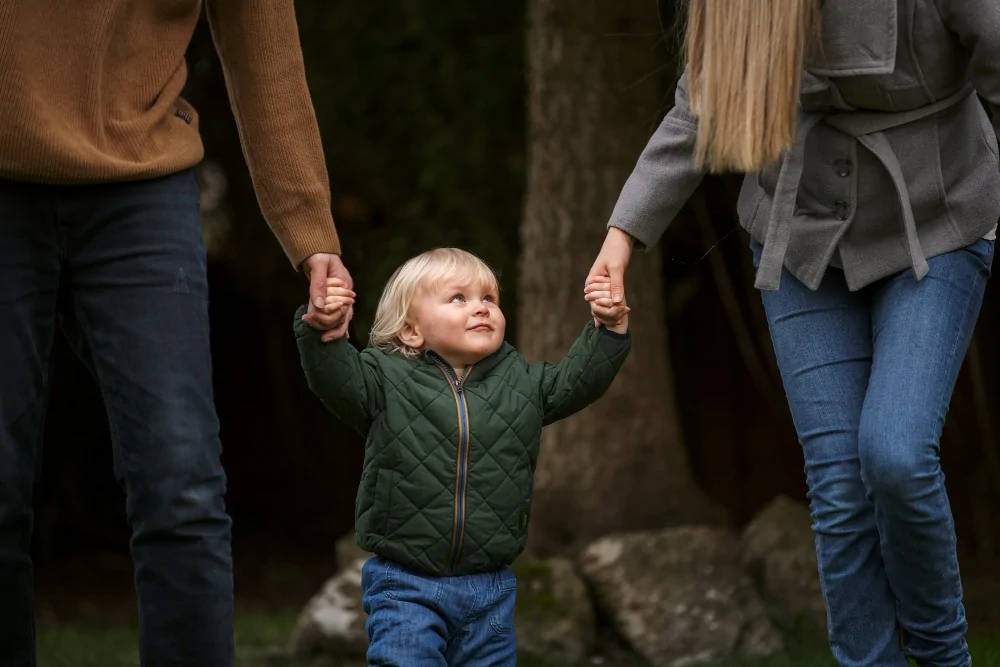
This is one of the most common questions parents ask. And the most important answer is: no, crying at the beginning of preschool is natural.
A child does not cry because something bad is happening to them. Most often, they cry because:
- they miss their parent,
- they are afraid of a new situation,
- they need time to trust the new place,
- they are not yet able to name their emotions,
- they feel overwhelmed by new stimuli.
Preschool-aged children react very strongly to change. Even if the preschool is a friendly place, the very moment of saying goodbye to a parent can bring up strong emotions.
Importantly, many children calm down just a few minutes after saying goodbye. Parents often experience this moment much more intensely than the children themselves. After a short while, the child usually becomes involved in play, observes the group or starts taking part in activities.
The most important thing is to say goodbye calmly and confidently. Prolonging the goodbye usually increases tension. The child needs to see that the parent trusts the place they are leaving them in.
This does not mean that the parent cannot feel emotional. It is completely natural for the beginning to be difficult for adults too. However, it is worth remembering that children are very sensitive to our tension and anxiety.
How to prepare your child for starting preschool?
Adaptation begins long before the first day of preschool. A few simple steps can make it much easier for your child to enter this new reality.
Talk about preschool
It is worth telling your child:
- what a day at preschool looks like,
- that there will be other children there,
- that there will be play, music and shared activities,
- that there will be meals, walks and rest time,
- that their parent will always come back for them.
It is best to speak calmly and clearly. Children do not need long explanations, but they do need a sense of safety and predictability.
It is also important to avoid frightening a child with preschool or creating unrealistic expectations. Messages such as “You will definitely have a wonderful time and won’t cry at all” may make a child feel confused when more difficult emotions appear.
It is much more supportive to show your child that new situations can sometimes be challenging, but that there will be adults nearby who will help them cope.
Practise independence
Before starting preschool, it is worth supporting your child in everyday activities such as:
- eating independently,
- washing their hands,
- putting on their shoes,
- using the toilet,
- putting things back in their place.
This is not about perfection or pressure. What matters most is building a sense of agency. A child who can do simple things independently feels more confident in a new place.
It is also worth remembering that every child develops at their own pace. Adaptation is not a competition in independence.
Movement and rhythm are simply essential for children
Introduce a calm daily rhythm
Children need predictability. Regular sleep, meal and rest times help their bodies adjust more easily to a new situation.
In the weeks before starting preschool, it is worth gradually helping your child get used to a daily rhythm similar to the preschool routine. This will make morning wake-ups and everyday organisation less stressful.
Evening calm-down time is also important. During the adaptation period, children are often more emotionally tired than usual. They may be irritable, need more closeness or become tired more quickly. This is a natural response to a big change.
How can parents support their child during adaptation?
The greatest support for a child is a calm and attentive parent. Even if we feel stressed ourselves, it is worth remembering that children are very sensitive to adults’ emotions.
Give your child the right to feel emotions
Instead of saying:
- “Don’t cry”,
- “Nothing is happening”,
- “You have to be brave”,
it is better to say:
- “I can see this is difficult for you”,
- “This is a new situation, and it’s okay to feel nervous”,
- “I will come back for you after lunch”.
Such messages help children understand their own emotions and build a sense of security.
A child does not need to hear that their emotions are “wrong” or unnecessary. They need an adult who shows them that even difficult emotions can be experienced calmly and safely.
Do not compare your child to others
Every child adapts at their own pace. Some children need a few days, others a few weeks. Some react very emotionally in the morning but function very well later in the day. Others seem calm at drop-off but need more time to open up in the group.
Comparisons often increase pressure and unnecessary stress – both for children and for parents.
The fact that another child adapted more quickly does not mean that your child is coping worse. It simply means that they need more time.
Celebrate small successes
During the adaptation period, it is worth noticing even the smallest steps forward:
- entering the classroom without crying,
- a calmer goodbye than the day before,
- playing together with other children,
- eating lunch,
- sharing something about preschool after coming home.
To adults, these may seem like small things, but for a child they are often a huge step.
Building a sense of security is a process made up of exactly these small experiences.
Why does the atmosphere at preschool matter so much?
Children adapt best in places where they feel warmth, predictability and acceptance. The way teachers communicate, the rhythm of the day and daily routines all play a very important role.
Young children need a calm and safe environment. When they know what to expect, it is easier for them to regulate their emotions and build trust in a new place.
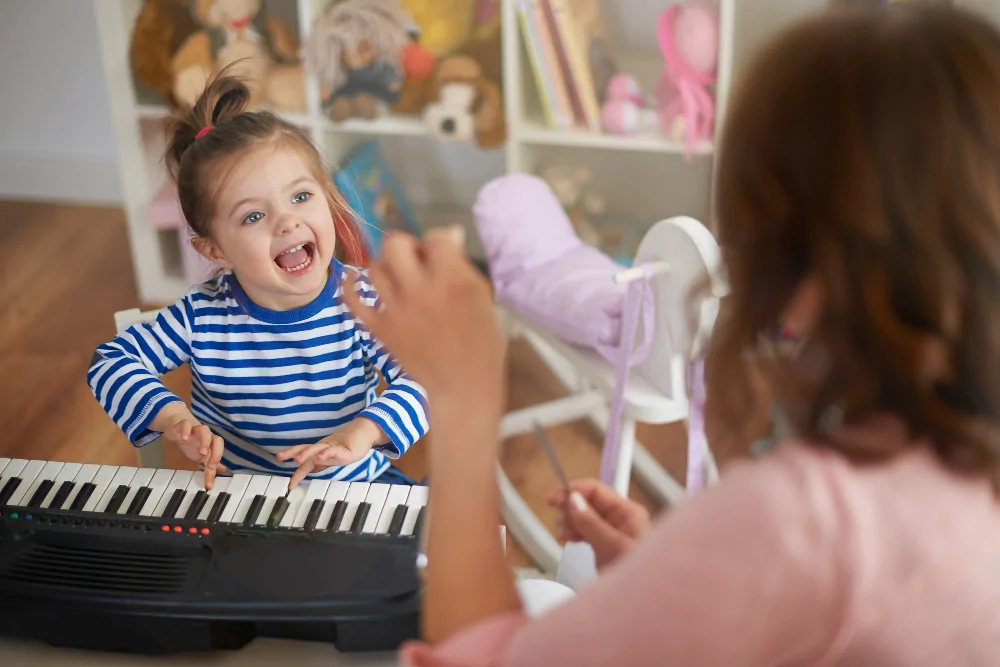
In music and language preschools, music often becomes a powerful support during adaptation. Repeated songs, the rhythm of the day and shared musical activities help children find their place in the group more quickly and feel safe.
At Rubik Music School, children become familiar with new situations through movement, singing, play and daily routines. Music has a calming effect, helps regulate emotions and gives children a sense of predictability.
Many children find it easier to express their needs through shared rhythm games and songs. Music also helps them build relationships within the group and gradually open up to new experiences.
Can adaptation take a long time?
Yes – and that is also completely normal.
Some children need more time because of:
- greater sensitivity,
- a strong bond with their parent,
- temperament,
- previous difficult experiences,
- changes happening at home at the same time.
It is worth looking at adaptation as a process, not a test. What matters most is not how long it takes, but whether the child is gradually building a sense of security.
It is worth looking at adaptation as a process, not a test. What matters most is not how long it takes, but whether the child is gradually building a sense of security.
Situations that may require closer attention are those in which, after many weeks, the child:
- constantly refuses to eat,
- withdraws from contact with others,
- reacts very strongly every day,
- does not engage in any activities,
- experiences strong physical symptoms, such as stomach aches or vomiting connected with preschool.
In such situations, it is worth calmly talking to the teachers and looking together for the best solution.
Parent adaptation is important too
Although it is rarely talked about, starting preschool is also an emotional change for parents.
Parents often experience:
- stress,
- guilt,
- longing,
- uncertainty,
- worry about their child.
These emotions are completely natural. Many parents wonder whether they are making the right decision or whether their child is truly ready for preschool.
It is worth remembering that adaptation involves the whole family. Good cooperation between parents and preschool is extremely important. Trust, honest communication and mutual support help the child feel more secure in the new situation more quickly.
Music and language as support during adaptation
For young children, learning through play and emotions is especially important. That is why music activities and natural, pressure-free contact with a foreign language can strongly support the adaptation process.
Songs, rhymes and rhythm:
- help children remember new words,
- build a sense of predictability,
- make it easier to integrate with the group,
- support communication development,
- help children express emotions.
Children often open up more quickly during shared singing than during traditional educational activities. Music helps release tension, calm emotions and build relationships with peers.
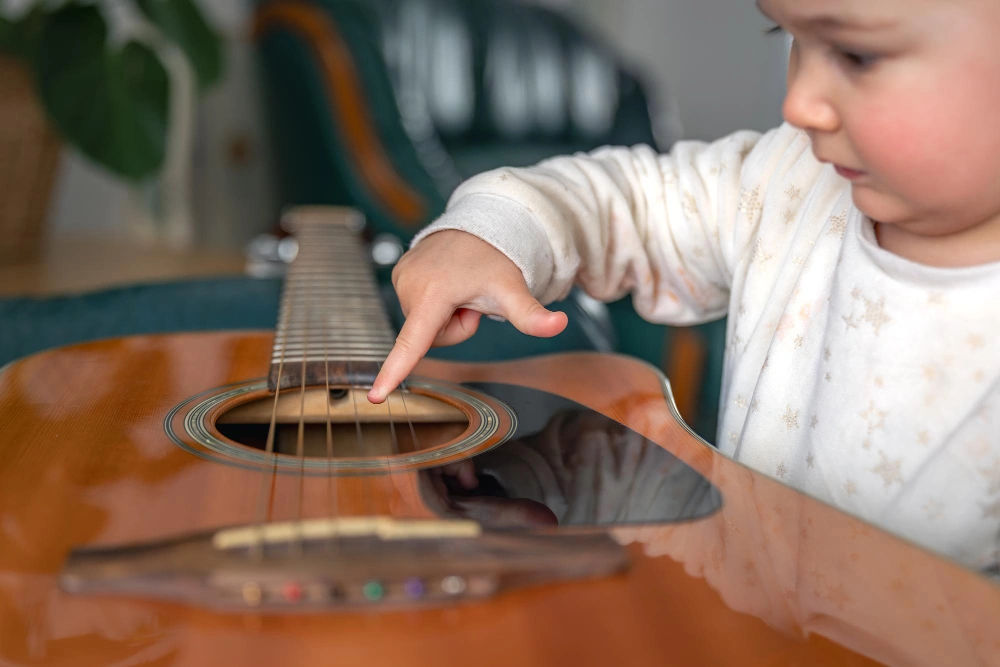
This is why, in music and language preschools, children’s everyday activities are based not only on learning, but above all on experience, movement and a positive atmosphere.
Every child needs time and a sense of security.
There is no single perfect recipe for adaptation. What matters most is:
- patience,
- calm,
- consistency,
- empathy,
- cooperation between parents and preschool.
A child does not need a perfect parent or a “problem-free” start. They need adults who are there for them, notice their emotions and help them gradually become familiar with their new reality.
Over time, most children begin to see preschool as a place of play, development and first friendships. And difficult beginnings simply become an important step towards greater independence and self-confidence.